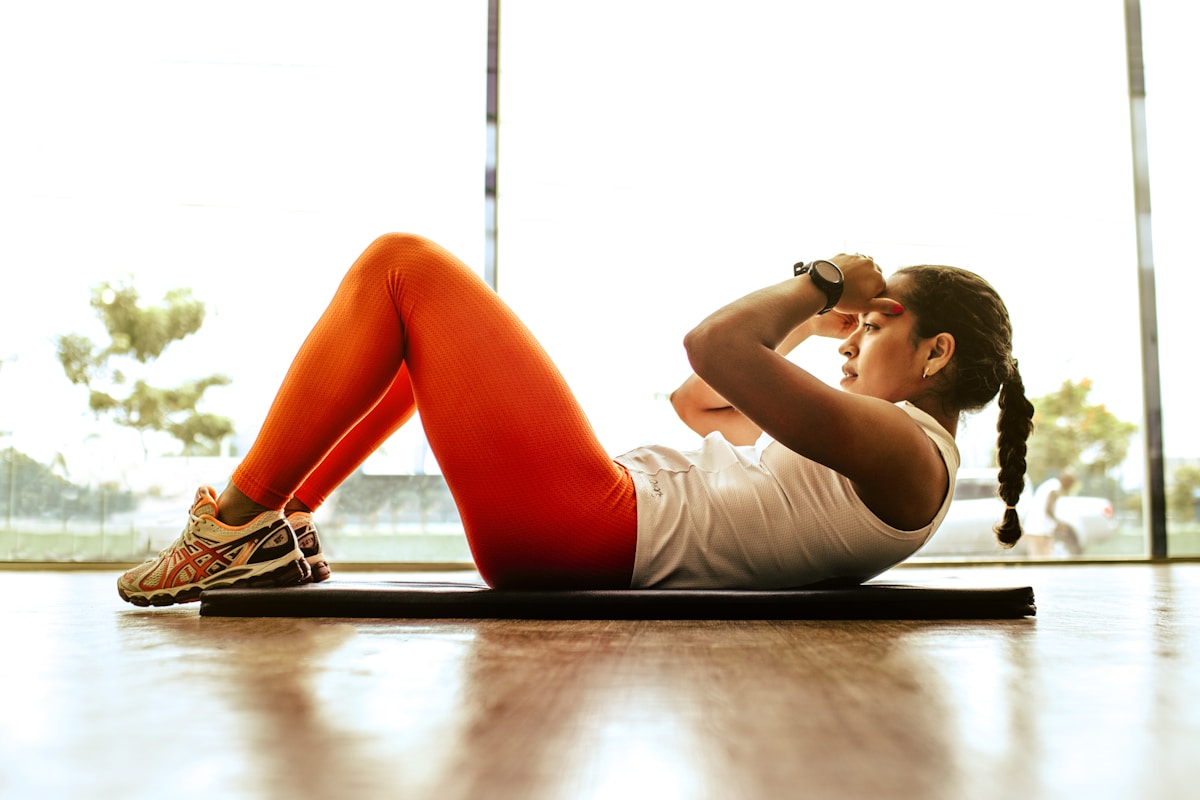
Heavy compound lifts, running, cycling and exercises requiring significant straining should be avoided with severe piles. Learn safe alternatives for each exercise type.
8 Exercises to Avoid With Severe Haemorrhoids
When haemorrhoids are severely inflamed, prolapsed or bleeding, certain exercises directly worsen the condition by increasing intra-abdominal pressure, pelvic congestion or perianal friction.
**1. Heavy Deadlifts and Squats (Maximum Effort)**
- Romanian deadlifts with 40–50% of your normal weight using proper breathing
- Goblet squats with moderate weight and controlled exhale
**2. Running (During Active Bleeding)**
- Brisk walking (non-impact)
- Swimming (horizontal, no impact)
- Stationary cycling with a padded seat
**3. Cycling (Outdoor or Road Cycling)**
- Swimming
- Walking
**4. Leg Press (Heavy)**
- Light leg extensions
- Hip abductor machine
**5. Exercises Requiring Intense Breath Holding**
- Heavy overhead press — substitute with lighter seated dumbbell press with exhale on press
- Weighted pull-ups — substitute with lat pulldown
**6. Contact Sports During Active Flare** Wrestling, martial arts, rugby — any activity with direct abdominal impact or fall risk should be avoided until haemorrhoids are treated.
**7. Long-Distance Running During Recovery** Even during recovery (1–2 weeks post-procedure), running should wait until surgeon clearance.
**8. Heavy Yoga Inversions** Headstands and shoulder stands create unusual anal pressure. Avoid during active severe piles.
Frequently Asked Questions
**Q: Can I do any gym work at all with active piles?** A: Yes — light cardio (brisk walking, swimming), upper body machine work with moderate weights and controlled breathing, and core work without Valsalva are all generally safe during mild to moderate piles.
Book a Fitness and Piles Consultation
For exercise guidance alongside piles treatment planning, book at RectoRelief Hospital.