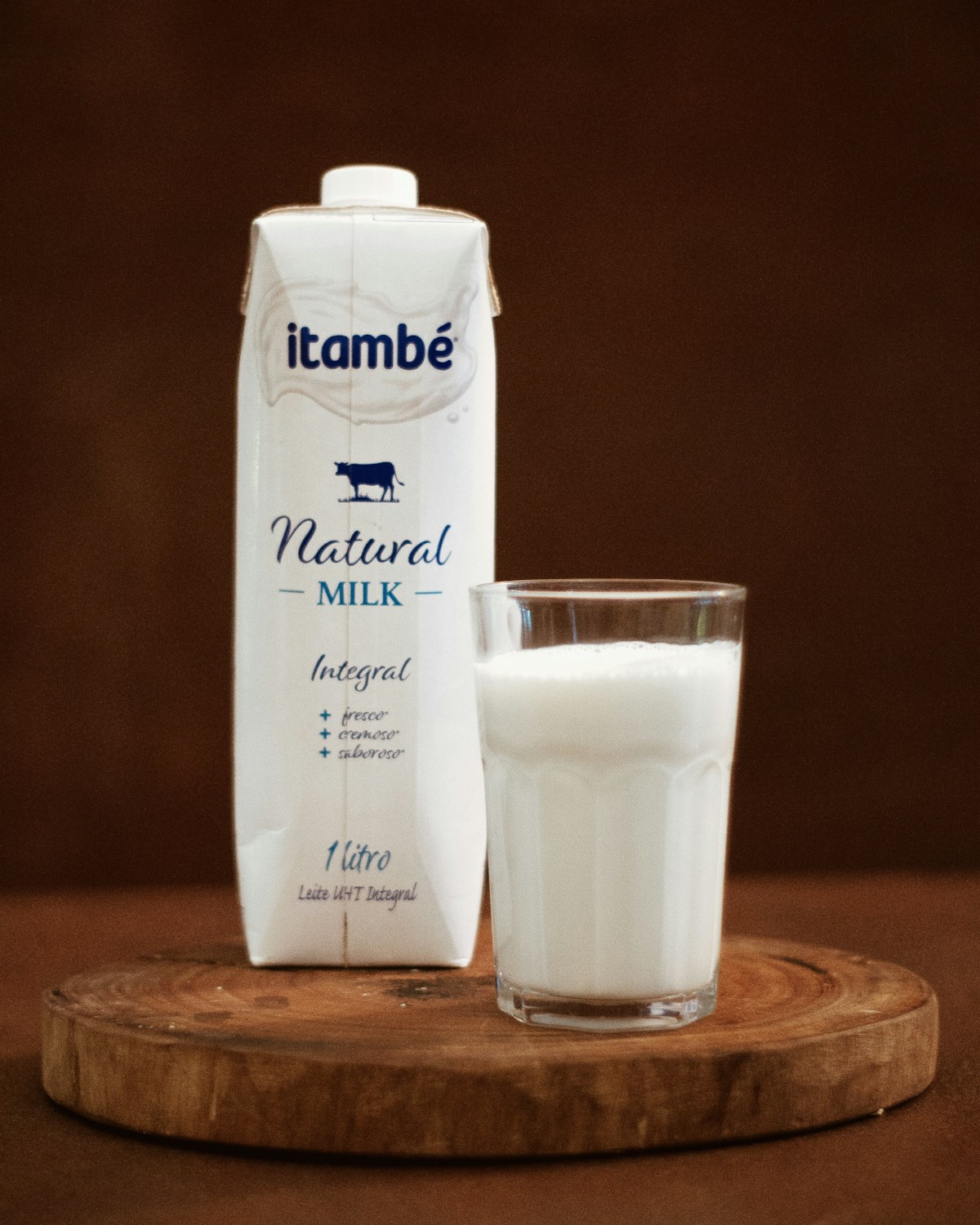
Milk does not directly cause piles, but excess full-fat dairy can cause constipation in some people, worsening haemorrhoid symptoms. Learn which dairy products to choose.
Can Milk Cause Piles?
Milk does not directly cause haemorrhoids. However, for some individuals — particularly those with lactose sensitivity or who consume large amounts of full-fat dairy — milk and dairy products can contribute to constipation, which is a major trigger for piles worsening.
How Dairy Can Worsen Piles
**Lactose intolerance:** People who cannot fully digest lactose experience fermentation in the gut, leading to bloating, gas, cramping and sometimes either diarrhoea or constipation. Both extremes irritate haemorrhoidal tissue.
**Full-fat dairy and constipation:** High-fat content in whole milk, cheese and cream slows intestinal transit time in some individuals. Slower transit = harder stools = more straining = worse piles.
**Excess cheese and paneer:** Large amounts of hard cheese and paneer can bind the gut, particularly if consumed without adequate fibre and water.
Dairy Products That Are Safe for Piles
**Recommended:**
- Low-fat curd (dahi) — probiotic bacteria improve bowel regularity
- Buttermilk (chaas) — diluted curd, excellent for hydration and gut health
- Low-fat or skimmed milk — less likely to cause constipation
- Lassi (without excess sugar) — probiotic and hydrating
**Use in moderation:**
- Full-fat whole milk — fine in normal amounts (1–2 glasses daily)
- Paneer — limit to 50–75 g daily if you notice constipation after eating it
**Limit or avoid:**
- Processed cheese (slices, spread)
- Cream and butter in excess
- High-fat condensed milk sweets
Practical Guidance
- If you notice that milk or cheese consistently causes bloating or constipation, reduce intake and observe stool consistency
- Replace full-fat dairy with curd and buttermilk for gut health benefit
- Always combine dairy consumption with adequate fibre (dal, vegetables, whole grains)
Frequently Asked Questions
**Q: Is curd better than milk for piles?** A: Yes, generally. Curd contains probiotic bacteria that improve bowel regularity, and the lactose is partially broken down during fermentation, making it easier to digest. Curd and buttermilk are actively beneficial for piles patients.
**Q: Should I completely stop milk if I have piles?** A: Not necessarily. If you are not lactose-intolerant and consume normal amounts of milk, it is unlikely to significantly affect piles. Focus on increasing fibre from other sources rather than eliminating milk.
Consult RectoRelief Hospital
For dietary advice specific to your piles grade and digestive profile, book a consultation at RectoRelief Hospital.