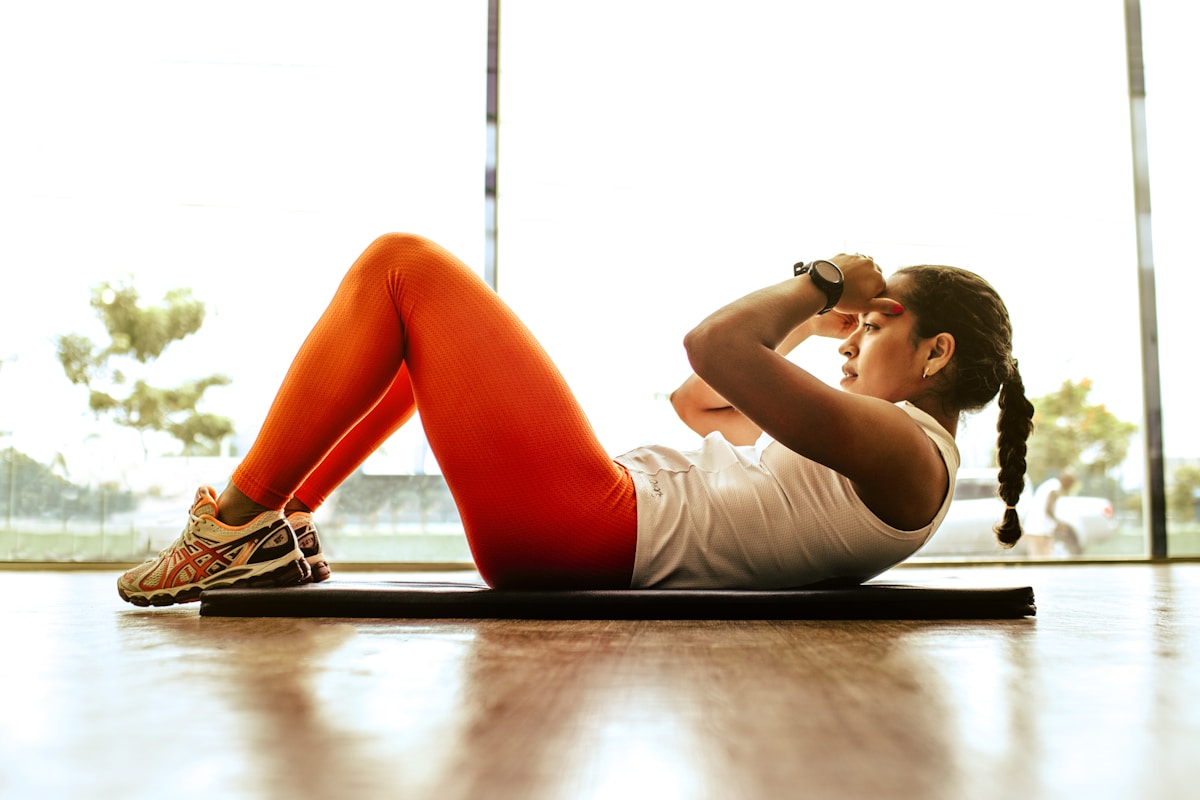
Heavy compound lifts like deadlifts and squats can trigger piles flare-ups through increased intra-abdominal pressure. Learn which exercises to modify and how to train safely.
Can Weight Training Cause Piles?
Weight training does not cause piles in individuals with normal haemorrhoidal anatomy and good bowel habits. However, heavy weight training — particularly compound lifts — significantly increases intra-abdominal pressure, which can trigger haemorrhoidal flare-ups in susceptible individuals and potentially worsen existing piles.
The Mechanism: Valsalva and Piles
During heavy compound lifts (deadlift, squat, bench press, overhead press), most gym-goers instinctively hold their breath and contract their core — the Valsalva manoeuvre. This raises intra-abdominal pressure by 50–150 mmHg above resting levels. This pressure is transmitted directly to the rectal veins, engorging haemorrhoidal cushions.
Done occasionally with normal haemorrhoidal tissue, this is tolerable. Done repeatedly with high-grade piles or during recovery from haemorrhoidal flares, it can:
- Trigger acute prolapse of Grade III piles
- Cause bleeding in engorged internal piles
- Worsen existing external haemorrhoidal swelling
High-Risk Exercises for Piles Patients
**Maximum risk:**
- Heavy deadlifts (1RM or near-1RM)
- Heavy barbell squats
- Maximum-effort Olympic lifts
**Moderate risk:**
- Leg press with heavy weights
- Heavy overhead press
- Pull-ups (creates significant IAP at the bottom)
- Heavy bent-over rows
Lower Risk Alternatives
- Machine-based exercises (lat pulldown, seated row, leg extension)
- Bodyweight exercises with controlled breathing
- Lighter weights with higher reps (reduces peak IAP)
- Swimming (see separate article)
- Yoga and flexibility work
How to Continue Training Safely With Piles
**1. Reduce weight by 40–60%:** Train at conversational-effort weight during active piles flares.
**2. Exhale during the effort phase:** Breathe out during the hardest part of each rep — "exhale on exertion." This reduces Valsalva pressure significantly.
**3. Avoid breath-holding:** Maintain continuous breathing rather than prolonged breath-holds.
**4. Avoid training during acute flares:** Rest from heavy training during active bleeding or prolapse episodes.
**5. Treat the underlying piles:** Once piles are treated with laser or banding, training typically returns to normal within 2–4 weeks.
Frequently Asked Questions
**Q: I have Grade II piles but want to continue heavy deadlifting — is that possible?** A: With Grade II piles and no active symptoms, modified deadlifting with proper breathing technique and sub-maximal weights is generally tolerable. During active symptom periods, reduce weight and focus on breathing.
**Q: Should I stop gym entirely for piles surgery recovery?** A: After laser piles surgery, gym should be avoided for 2–3 weeks. After that, gradual return with lighter weights and proper breathing technique is recommended.
Book a Consultation at RectoRelief Hospital
For athletes and gym-goers managing piles, specialised guidance on training modification and treatment is available at RectoRelief Hospital, Noida.