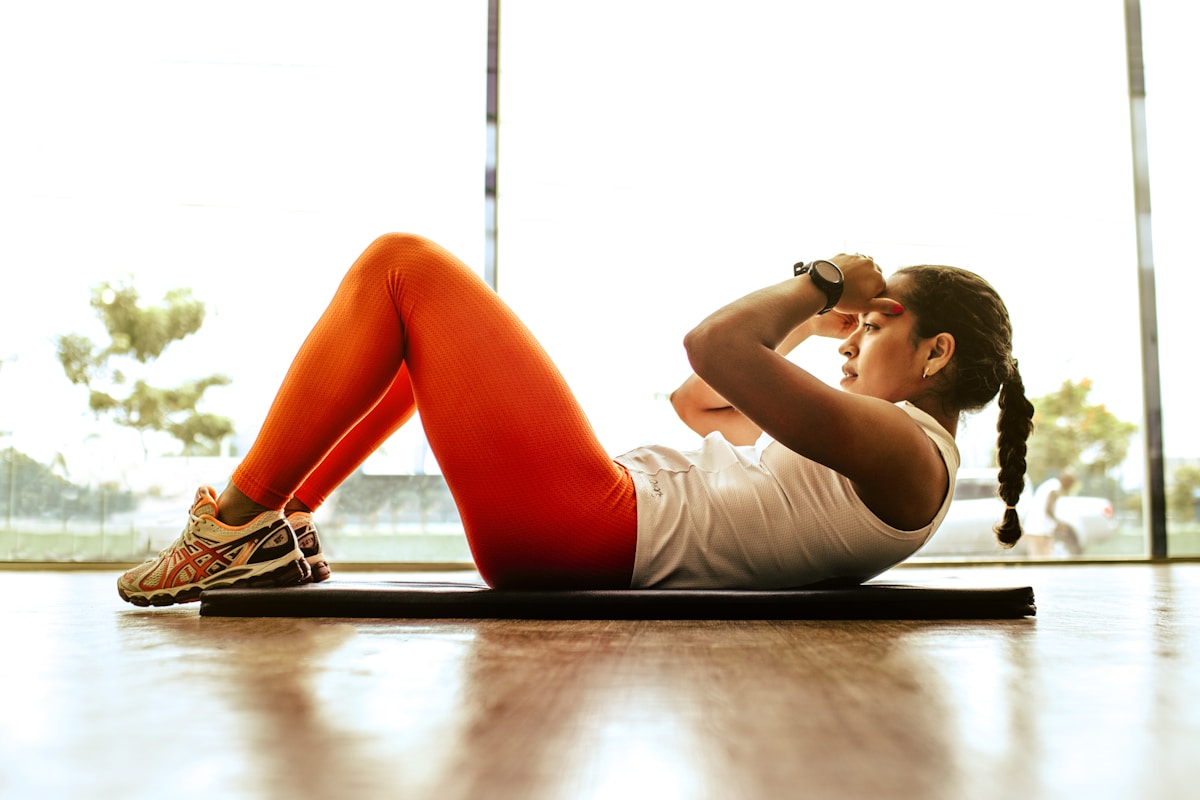
Haemorrhoid patients can stay active with daily walking, swimming, yoga and modified gym training. Learn the safe fitness framework that supports both health and haemorrhoid management.
The Safe Fitness Framework for Haemorrhoid Patients
Haemorrhoid patients who remain physically active actually have better long-term outcomes than those who become sedentary — exercise improves bowel motility, reduces constipation, supports weight management and enhances circulation. The key is choosing exercises that benefit rather than aggravate.
Weekly Fitness Framework for Piles Patients
**Daily foundation:**
- Morning: 2 glasses warm water + 15-minute walk before breakfast
- Throughout day: Stand up for 5 minutes every 45–60 minutes of sitting
**3–4 times weekly: Primary exercise**
*Option A — Walking programme:*
- 30–45 minutes of brisk walking daily
- Best: outdoor parks or treadmill at moderate incline
- Simple, effective, no equipment needed
*Option B — Swimming:*
- 30 minutes of freestyle or backstroke
- Excellent for overall fitness without any anal pressure
*Option C — Modified gym training:*
- Light to moderate weights (60–70% of max)
- Exhale on effort — no sustained Valsalva
- Avoid maximum-effort compound lifts during symptomatic periods
**2 times weekly: Yoga or core work**
- Pavanamuktasana (wind-relieving pose)
- Balasana (child's pose)
- Viparita Karani (legs-up-the-wall)
- Light plank and bird-dog for core
Nutrition That Supports Both Fitness and Piles
- High protein from dal, eggs, curd, lean meat (fibre-containing sources preferred)
- 30+ g fibre from whole foods daily
- 2.5–3 litres water daily (more during training)
- Pre-workout: Oatmeal + fruit (not protein bar alone)
- Post-workout: Curd + banana or dal rice
Signs Your Exercise Plan Is Working for Your Piles
- Regular soft morning stools without straining
- Reduced piles flare frequency
- Stable weight (reducing if overweight)
- No increase in piles symptoms with exercise
- Better sleep quality
Frequently Asked Questions
**Q: How quickly will regular exercise improve my piles symptoms?** A: Regular 30-minute daily walks combined with high-fibre diet typically produces stool consistency improvement within 1–2 weeks. Reduced haemorrhoidal symptoms follow within 3–4 weeks of consistent adherence.
Book a Treatment Consultation at RectoRelief Hospital
For a fitness-aware piles treatment plan, book at RectoRelief Hospital.