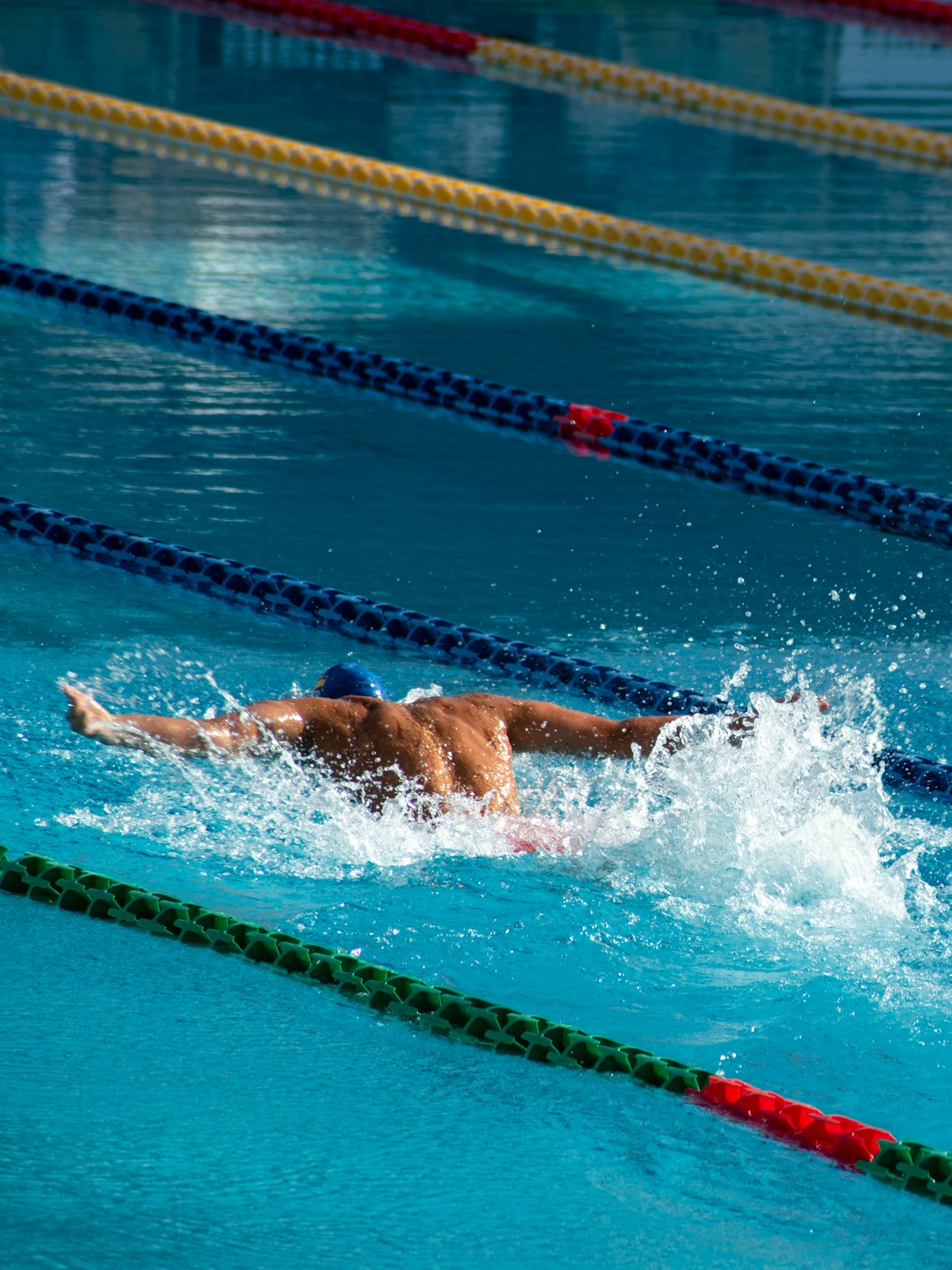
Swimming is one of the best exercises for piles — the horizontal position eliminates anal pressure, supports venous return and improves gut motility without impact.
Why Swimming Is Particularly Beneficial for Piles Patients
Swimming stands apart from almost all other exercises for haemorrhoid patients because of one fundamental difference: the horizontal body position in water eliminates gravity's contribution to haemorrhoidal vein engorgement entirely.
The Physiology of Swimming and Piles
When you swim:
- **No gravity-induced pooling:** In horizontal position, blood does not pool in the pelvic and anal region. Haemorrhoidal veins decompress significantly.
- **Water pressure:** The external water pressure provides gentle uniform compression — similar to compression stockings for leg varicose veins.
- **No impact:** Unlike running, swimming creates no pelvic bouncing impact that could worsen prolapsed tissue.
- **Improved circulation:** Swimming's rhythmic, total-body movement significantly improves venous return from the entire lower body.
- **Gut motility:** Like all aerobic exercise, swimming improves bowel motility and reduces constipation frequency.
When Can Piles Patients Swim?
**Before any procedure:** Swimming is safe for piles patients — actually beneficial for symptoms. Wear comfortable swimwear; avoid tight swimwear that creates perianal pressure.
**After laser haemorrhoidoplasty:** Avoid swimming for 2 weeks to allow the procedure site to heal. The pool water carries infection risk to healing tissue. Confirm clearance with your surgeon at the 2-week follow-up.
**After conventional haemorrhoidectomy:** Avoid for 4–6 weeks (longer healing wound).
Practical Swimming Guidance
- **Stroke preference:** Freestyle (front crawl) and backstroke are the gentlest. Breaststroke frog-kick can create some pelvic pressure — less recommended.
- **Session length:** 30 minutes, 3–4 times weekly provides excellent cardiovascular and gut motility benefit.
- **After swimming:** Clean and dry the perianal area thoroughly. Moist perianal skin increases irritation risk.
Frequently Asked Questions
**Q: Is public pool swimming hygienically safe with piles?** A: Chlorinated public pools are generally safe. If you have active open wounds or post-procedure healing, avoid until the site is fully closed.
Book a Consultation at RectoRelief Hospital
For exercise guidance as part of comprehensive piles management, book at RectoRelief Hospital.