Bright red bleeding
Fresh red blood on toilet paper, in the pan or coating stool is a common symptom of internal piles.
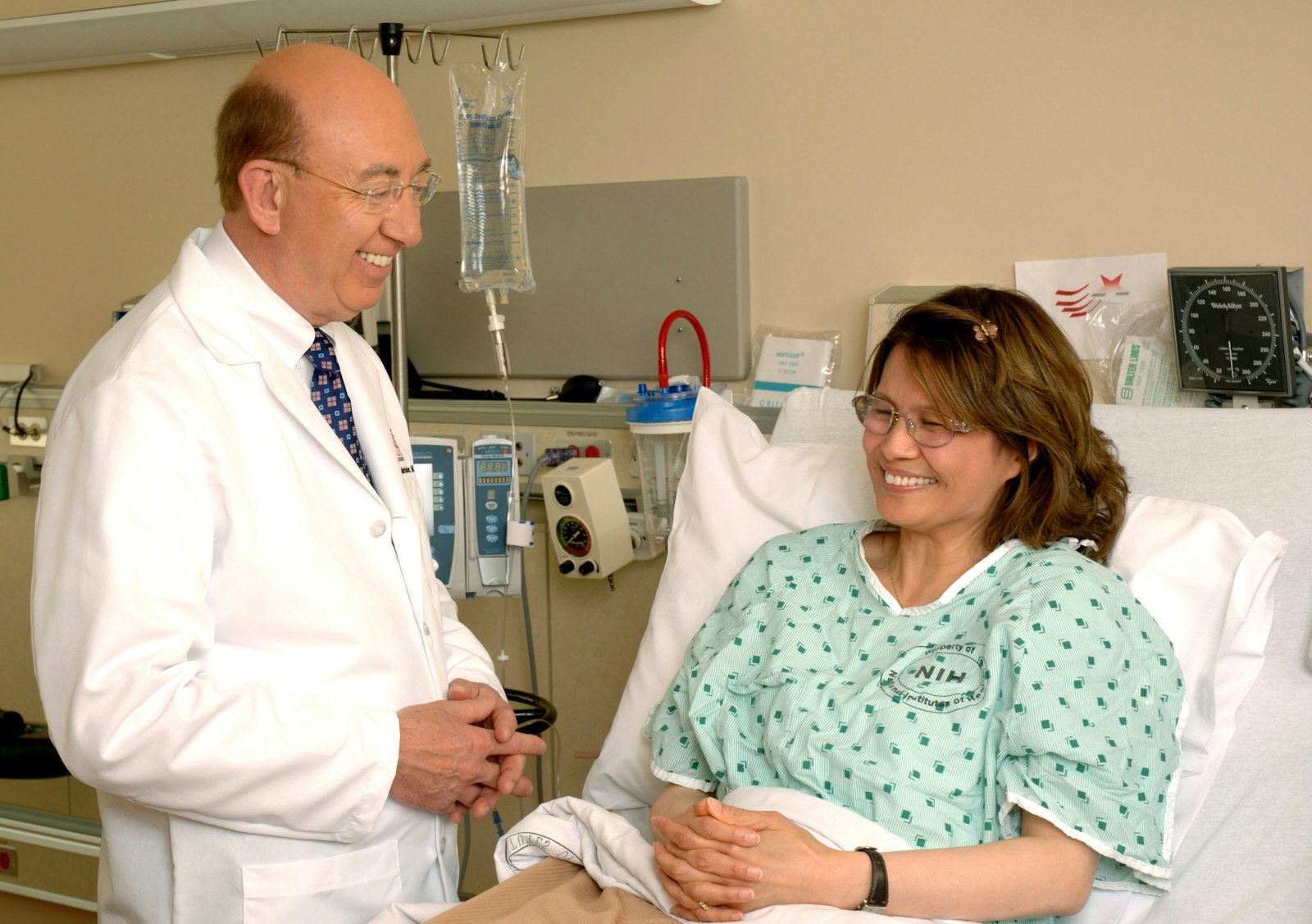
Piles Info
Piles symptoms depend on whether the swelling is internal, external or thrombosed. The most common signs are fresh red bleeding, anal itching, swelling, discomfort, mucus discharge and a lump that may come out during stool.
Quick Symptom Check
Fresh bleeding is common, but it should still be examined.
Common symptom
Bright red bleeding
Often painful
External or thrombosed piles
Confirm with
Clinical examination
Main Symptoms
Piles can be silent in early stages. When symptoms appear, they usually involve bleeding, swelling, pain, itching or a prolapse that comes out during stool. Similar symptoms can occur with fissure, fistula, infection and colorectal disease, so diagnosis matters.
Important: Do not self-diagnose rectal bleeding. Even if piles are likely, a doctor should confirm the cause before treatment.
Fresh red blood on toilet paper, in the pan or coating stool is a common symptom of internal piles.
A soft swelling near the anus may be external piles, prolapsed internal piles or a thrombosed pile.
Pain is more common with external or thrombosed piles. Internal piles are often painless unless prolapsed or trapped.
Mucus, moisture and repeated wiping can irritate the skin around the anus and cause itching or burning.
Some patients feel pressure, heaviness or incomplete evacuation when piles are swollen or prolapsing.
A slimy discharge, staining or wet feeling may happen with prolapsed internal piles and skin irritation.
Types of Piles
Internal, external and thrombosed piles can feel different. This distinction helps decide whether diet, medicines, office treatment or surgery is appropriate.
Usually painless bleeding during stool. In higher grades, tissue may come out during stool and go back by itself or need manual reduction.
External piles form under the skin around the anus and may cause a visible lump, tenderness, itching or pain while sitting.
A clot inside an external pile can cause sudden severe pain with a firm bluish-purple lump near the anus.
Piles are common, but bleeding and pain around the anus are not always piles. Some signs need faster medical review.
Get EvaluatedHeavy bleeding or repeated bleeding
Black stool or blood mixed inside stool
Severe pain with fever or rapidly increasing swelling
A lump that cannot be pushed back or becomes very painful
Unexplained weight loss, weakness or anaemia symptoms
New rectal bleeding after age 40 or change in bowel habit
Diagnosis
Correct diagnosis prevents wrong treatment. A quick evaluation can confirm piles grade and rule out fissure, abscess, fistula or other causes of bleeding.
The doctor asks about bleeding, pain, constipation, prolapse, toilet habits and duration of symptoms.
A gentle inspection and digital rectal exam may identify external piles, fissure, swelling or tenderness.
A small scope may be used to view internal piles and grade them accurately.
Colonoscopy or specialist evaluation may be advised when bleeding is atypical or risk factors are present.
Understand why constipation, straining, pregnancy and long sitting trigger piles.
Read moreLearn Grade 1 to Grade 4 piles and when prolapse needs treatment.
Read moreExplore minimally invasive treatment options for bleeding or prolapsed piles.
Read moreFAQ
Early piles commonly cause bright red bleeding during stool, itching, mild discomfort, swelling or a feeling that stool has not fully passed.
No. Internal piles are often painless and may present mainly with bleeding. Pain is more common with external piles, thrombosed piles, fissure or infection.
Piles often cause fresh red blood during or after stool, but bleeding can also come from fissure, inflammation, polyps or colorectal disease. A medical examination is the safest way to confirm the cause.
It may feel like a soft swelling near the anus. If a clot forms, the lump can become firm, very painful and bluish-purple.
Yes, prolapsed internal piles may cause mucus, wetness, itching and irritation around the anus.
Book an evaluation for rectal bleeding, severe pain, recurrent swelling, prolapse, black stool, unexplained weight loss, anaemia symptoms or a recent change in bowel habits.
RectoRelief Hospital
Our anorectal team evaluates bleeding, pain, swelling, prolapse and bowel habits before recommending medicines, diet care, laser treatment or another procedure.
Medical references used for this guide
Content reviewed against patient education from NIDDK, Mayo Clinic, and Cleveland Clinic. This page is educational and does not replace a clinician's examination.