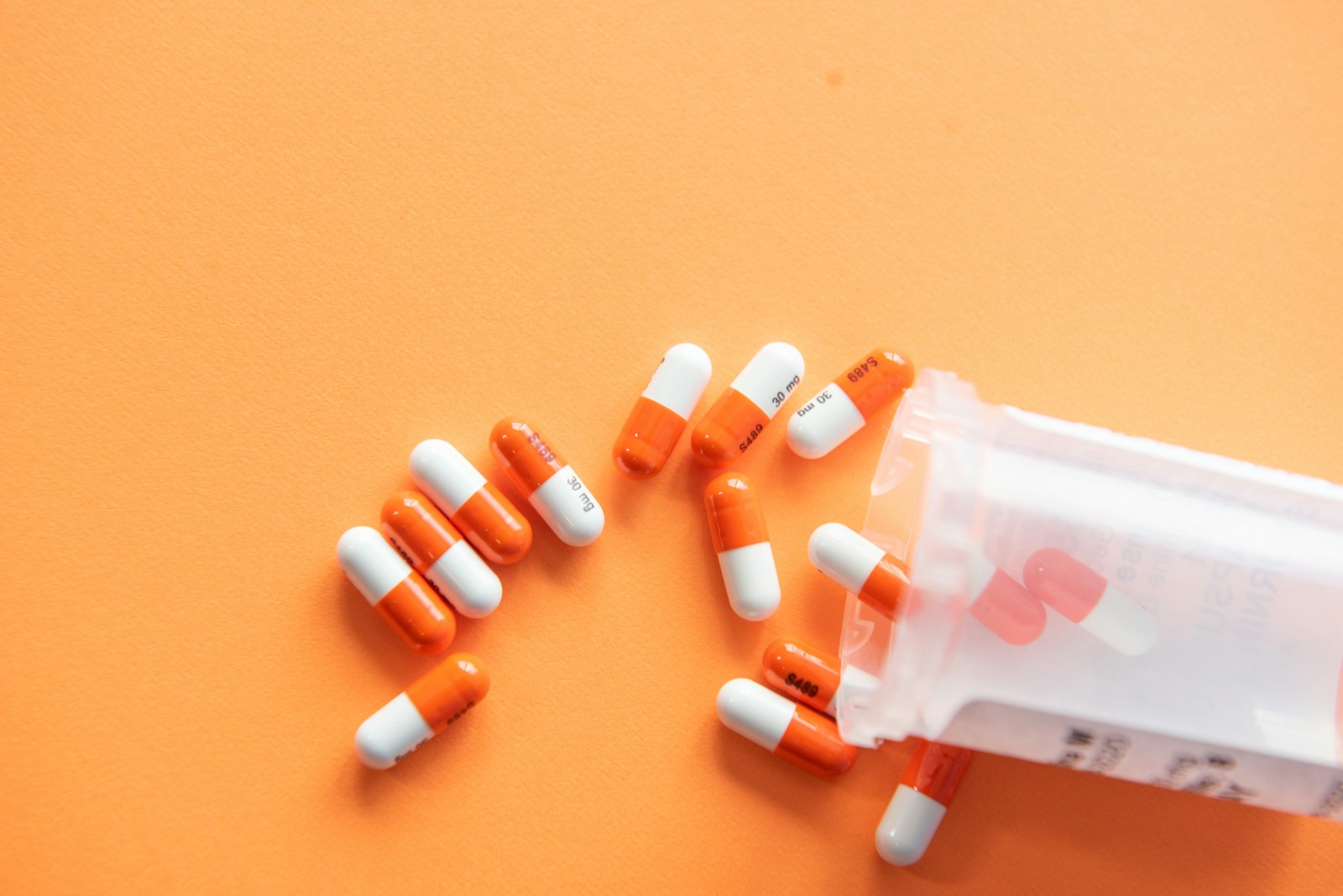
Can Himalaya Pilex cure piles?
Himalaya Pilex is commonly used as a tablet and ointment for piles symptoms such as itching, burning, pain and mild bleeding.
It may support relief in early Grade I-II piles when constipation and straining are controlled.
It should not be treated as a guaranteed cure for prolapsed, thrombosed, recurrent or Grade III-IV piles.
Himalaya Pilex tablet for piles
Pilex tablets are marketed as an Ayurvedic medicine for internal and external haemorrhoid symptoms.
Patients usually consider tablets for pain, itching, mild bleeding, constipation-linked strain and discomfort.
Use the tablet only as directed by a clinician or product label, especially if you take other medicines.
Himalaya Pilex ointment for piles
Pilex ointment is used locally for burning, itching, pain and discomfort around the anal area.
Apply only to clean skin with the applicator as instructed, and wash the applicator properly after use.
Do not apply ointment to deep wounds, severe infection, pus discharge or unexplained bleeding without examination.
Common ingredients mentioned for Pilex
The source article mentions ingredients such as lajjalu, yashad bhasma, guggulu, neem, haritaki, bibhitaki, amla, kanchanara, nagkesar, shilajit and daruhaldi.
The ointment may also include ingredients such as camphor, bhringraj and nirgundi.
Herbal does not automatically mean safe for every patient. Allergies, pregnancy, medicines and health conditions still matter.
How to use piles tablets and ointment safely
Take tablets only in the dose advised by your doctor or product label. Do not increase the dose for faster relief.
Use the ointment with clean hands and a clean applicator. Avoid sharing applicators or using expired products.
If pain, bleeding or swelling worsens after starting treatment, stop self-care and get examined.
Who should ask a doctor before using Pilex?
Pregnant or breastfeeding patients should not start piles medicines without direct medical advice.
Patients with repeated rectal bleeding, black stools, severe pain, prolapse, diabetes, bleeding disorders or multiple medicines should be evaluated first.
Children and elderly patients should avoid self-treatment for rectal bleeding or anal pain.
Habits that improve results with piles medicines
Piles medicines work best when stool pressure, toilet habits and local irritation are corrected at the same time.
Soften stools
Use fibre, water, fruits, cooked vegetables, dal and whole grains to reduce straining.
Avoid long toilet sitting
Do not sit with a phone or force bowel movement. Pressure can worsen swelling.
Use sitz baths
Warm water soaks may reduce burning and itching during a flare.
Track bleeding
Repeated bleeding should be examined instead of treated only with ointment.
Pilex tablet and ointment: ingredients reviewed safely
The source article lists herbal and mineral ingredients in tablet and ointment forms. Ingredient knowledge is useful, but suitability still depends on diagnosis and grade.
Lajjalu
Traditionally used for piles and wound-related symptoms. Product dose should follow label or clinician advice.
Yashad bhasma
A zinc-based Ayurvedic preparation; quality and supervision matter for mineral ingredients.
Guggulu, neem, haritaki
Common Ayurvedic ingredients used for inflammation, digestion or local healing support.
Bibhitaki and amla
Often used in digestive formulations; they do not replace diagnosis for bleeding.
Camphor and nirgundi ointment components
May provide local soothing, but can irritate sensitive skin in some patients.
What if piles are Grade III or Grade IV?
Diet, fibre and medicines
Mild Grade I-II symptoms
Can reduce straining and irritation when diagnosis is clear.
Ointments and sitz baths
Burning, itching and local discomfort
Symptom relief only; persistent bleeding needs evaluation.
Rubber band ligation
Selected internal piles
May help bleeding internal haemorrhoids depending on grade.
Laser piles treatment
Suitable Grade II-IV piles
Minimally invasive option when medicines are not enough.
Hemorrhoidectomy or stapling
Large, prolapsed or complicated piles
Considered when anatomy and symptoms need definitive correction.
Frequently asked questions
Is Himalaya Pilex good for piles?
It may help mild piles symptoms such as itching, burning and discomfort in some patients. It is not a substitute for diagnosis, especially with bleeding.
Can I take Pilex during pregnancy?
Do not take Pilex or other piles medicines during pregnancy unless your doctor specifically advises it.
Is Pilex ointment enough for Grade III or IV piles?
Usually no. Advanced or prolapsed piles often need procedures such as banding, laser treatment, stapling or surgery.
Should Pilex be taken before or after food?
Follow the product label or your clinician's advice. Timing can vary based on dose, symptoms and other medicines.