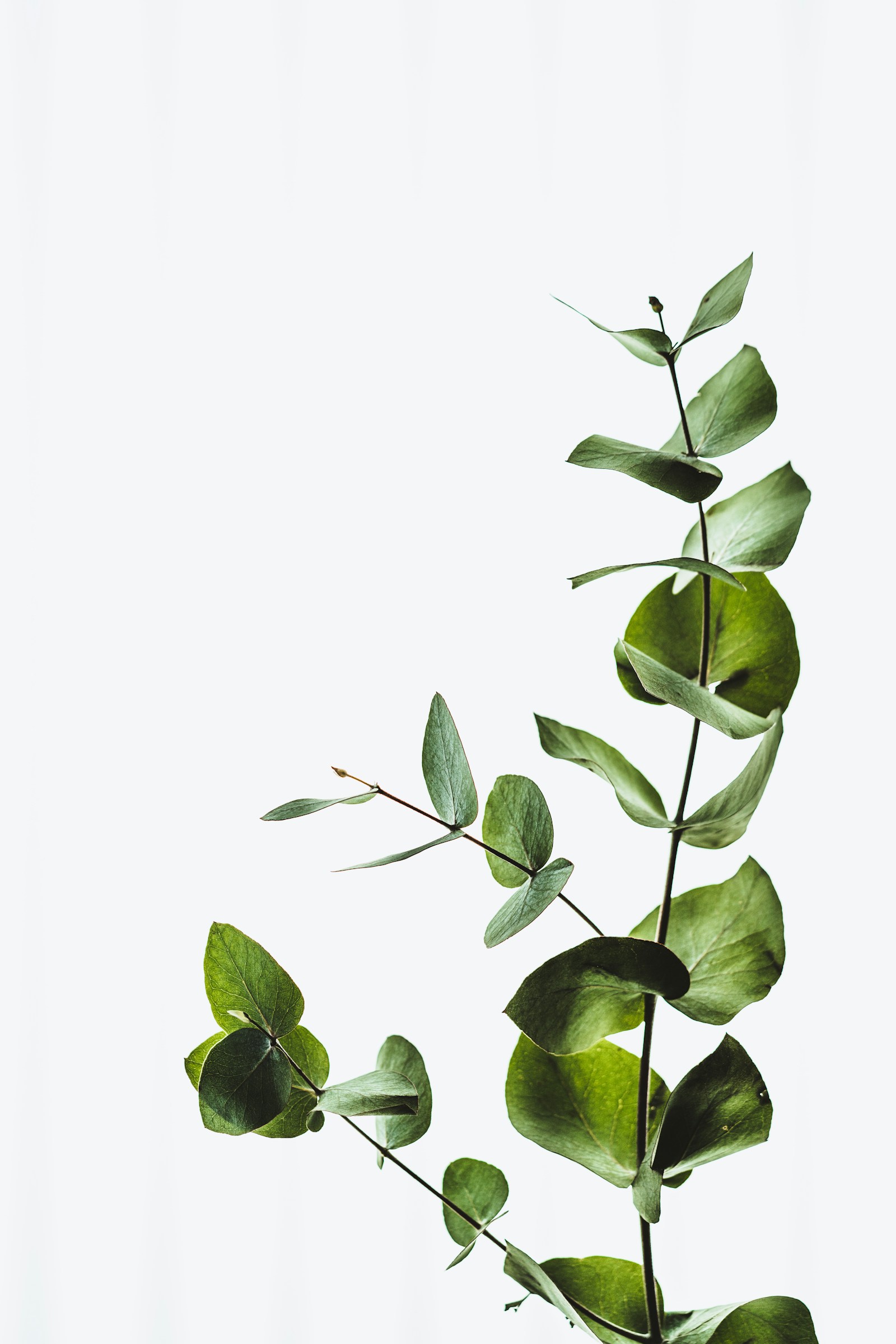
Can Thuthi leaf cure piles?
Thuthi leaf is a traditional remedy used for constipation, swelling and piles discomfort in some Indian households.
It may help indirectly if it improves bowel regularity and reduces straining, but it should not be considered a proven cure for haemorrhoids.
Bleeding, prolapse, a painful lump or symptoms that keep returning need an examination to confirm the grade and rule out fissure or other causes.
What is Thuthi leaf?
Thuthi is a medicinal plant with heart-shaped leaves and yellow flowers. It is known as Thuthi in Tamil, Atibala in Sanskrit and Duvvena Kayalu in Telugu.
Different parts of the plant are used traditionally, including leaves, roots, flowers and seeds.
For piles care, patients usually search for Thuthi because of its traditional use in constipation and local inflammation.
How Thuthi may help piles symptoms
Constipation and straining are major triggers for piles pain and bleeding. A fibre-rich food routine that includes leafy vegetables can support softer stools.
Some traditional preparations are used for burning, swelling and irritation, but evidence and dosing are not standardised.
If symptoms are mild and short-lived, supportive care may help. Persistent or advanced symptoms need a piles specialist.
Safer way to think about Thuthi preparations
Food-style use, such as cooked greens in a balanced meal, is generally more conservative than concentrated extracts or raw topical applications.
Do not apply unclean pastes, oils or crushed leaves to broken skin, bleeding areas or open wounds near the anus.
If you want to use Thuthi medicinally, consult a qualified Ayurvedic physician, especially if you are pregnant, breastfeeding, elderly or taking regular medicines.
Who should avoid self-treatment with Thuthi?
Avoid self-use if you have heavy bleeding, black stools, fever, pus, severe pain, diabetes with infection signs or piles that come out and do not go back.
Pregnant or breastfeeding patients and children should not use herbal remedies for piles without direct medical advice.
Stop any preparation if you develop diarrhoea, cramps, itching, rash, dizziness or worsening anal pain.
Supportive habits to combine with home care
For piles, the goal is softer stool, less straining and cleaner local care. These basics are safer than aggressive home applications.
Choose bowel-friendly meals
Use cooked vegetables, dal, fruits, oats and enough fluids to reduce hard stool and straining.
Avoid prolonged toilet sitting
Long sitting and phone use on the toilet can increase pressure on haemorrhoids.
Use warm sitz baths
Warm water soaks may reduce soreness and itching without irritating sensitive skin.
Keep the area gentle
Avoid harsh scrubbing, perfumed wipes and unclean herbal pastes around inflamed anal skin.
Traditional Thuthi uses, reviewed safely
The source article describes oral mixtures, cooked Thuthi keerai, topical leaf applications and decoctions. These should be viewed as traditional practices, not replacements for diagnosis.
Leaf paste with buttermilk
Traditionally used for piles discomfort. Avoid self-use if you have diarrhoea, allergies, pregnancy or active bleeding.
Leaves warmed in oil
Topical use near the anus can irritate skin or introduce infection if not clean. Ask a clinician first.
Boiled leaves with milk
May be used traditionally for constipation. Stop if it causes cramps, loose stools or worsening symptoms.
Thuthi keerai kootu
A food-style preparation may be gentler than concentrated extracts, but it still cannot treat advanced piles.
Leaf or root decoction
Strength varies widely. Avoid combining with laxatives or medicines without professional advice.
When piles need more than Thuthi leaf
Diet and home care
Mild constipation-related symptoms
Can reduce strain, but should not delay care if bleeding repeats.
Medicines and ointments
Itching, burning or swelling
Best used after the diagnosis and piles grade are clear.
Office procedures
Selected internal bleeding piles
May be useful when conservative care is not enough.
Laser piles treatment
Suitable Grade II-IV piles
A minimally invasive option for recurrent or larger piles.
Surgery
Large, prolapsed or complicated piles
Considered when symptoms and anatomy require definitive care.
Frequently asked questions
Is Thuthi leaf good for piles?
It is traditionally used for constipation and piles discomfort. It may support mild symptoms, but it is not a proven cure for advanced piles.
Can I apply Thuthi leaf paste directly on piles?
Do not apply raw or unclean herbal pastes near the anus without medical advice. Inflamed or broken skin can react badly or become infected.
Can Thuthi stop bleeding piles?
Do not rely on Thuthi for bleeding. Rectal bleeding should be examined because piles, fissure and other bowel problems can overlap.
When should I see a doctor?
See a specialist if bleeding repeats, pain is severe, a lump appears, piles prolapse, fever or pus occurs, or symptoms return after home care.